
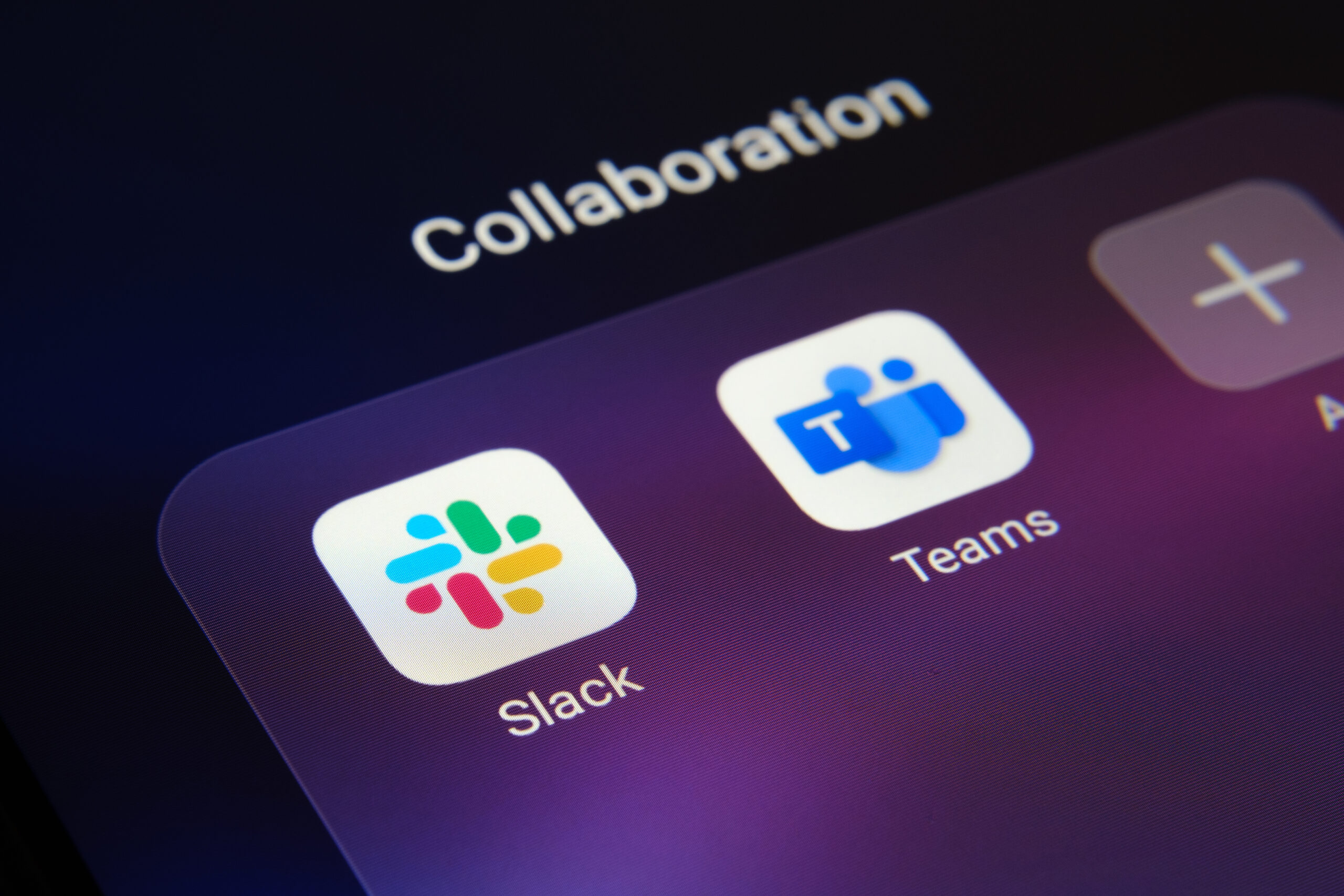
Tax Isn’t the Only Team That Needs to Move Faster
In today’s audit environment, documentation matters more than ever. But building that documentation depends on something tax teams can’t always control: Subject Matter Experts (SMEs).
The SME bottleneck is real. Engineers, scientists, and technical staff are already stretched thin. Asking them to log into another portal, respond to email chains, or attend yet another meeting often results in silence—or delays that slow down the entire R&D credit process.
But there’s good news: you don’t need to introduce a new tool to fix this. You just need to use the ones your SMEs already rely on.
Meet Them Where They Are
Platforms like Slack, Microsoft Teams, and Google Workspace already power daily collaboration inside most organizations. These tools aren’t just for chat—they’re full ecosystems that can:
- Deliver SME requests directly to the right people
- Track completion status across engineering or product teams
- Automate reminders, due dates, and follow-ups
- Centralize reference materials like FAQs, tutorials, and templates
Why It Works
Instead of asking SMEs to leave their environment, you meet them in it. No new logins. No change in behavior. Just a better process embedded in what they’re already using.
This makes it easier for them to respond—and much easier for tax teams to collect timely, relevant documentation that supports qualified research.
Slack in Action
Slack is more than a messaging app. In an R&D credit study, it can serve as a powerful hub for collaboration. Here’s how we’ve seen it work:
- Dedicated channels: Set up private channels for SME engagement. Post requests, tag individuals, and track threads in one place.
- Canvases: Use Slack’s canvases to create quick project briefs, how-tos, or reference checklists.
- File sharing: Share templates or upload documentation directly in a thread. No emails or external links required.
- Workflows: Automate repetitive tasks like weekly reminders or follow-ups on overdue items.
- App integrations: Sync Slack with project trackers, dashboards, and calendar alerts.
Best of all, everything stays behind the firewall. No risky third-party tools. No extra overhead for IT. Just a smart use of what you already have.
Microsoft Teams and Google Workspace
Not everyone uses Slack—and that’s okay. Teams and Workspace offer many of the same benefits:
- Teams: Build channels by department, use adaptive cards for SME prompts, integrate Planner or Power Automate for workflow tracking.
- Google Workspace: Use shared Drives to organize SME input, Docs for collaborative comments, and Calendar for coordinating timing across the R&D study window.
These platforms offer one major advantage: familiarity. If your SMEs already live in Teams or Workspace, there’s no learning curve. You’re simply creating a system that works around their habits.
A Few Best Practices
No matter which platform you use, a few principles hold true:
- Keep it simple. One place for SME requests. One thread per ask. Clear instructions and links to whatever they need.
- Automate what you can. Use reminders, due dates, and tracking tools that keep the process moving without constant manual follow-up.
- Make resources easy to find. Don’t just ask for information—give context. Tutorials, examples, Videos, and FAQs can cut down back-and-forth dramatically.
- Be transparent. Show SMEs where things stand. Let them know what’s complete, what’s still pending, and what the timeline looks like.
What This Looks Like in Practice
At MASSIE, we’ve helped clients use these tools to cut turnaround time, boost SME response rates, and reduce friction throughout the R&D credit process. One client used Slack reminders to improve SME response times by 40%. Another built a Teams dashboard that visualized every SME request by status—green for done, yellow for in progress, red for overdue.
The result? Fewer emails, fewer delays, and fewer audit surprises.
If you want to see how it works in real time, check out our article: Optimizing Your R&D Tax Credit Process Using Today’s Technology.
Final Takeaway
You don’t need another platform. You need a smarter approach to the ones you already have. Whether your team lives in Slack, Teams, or Workspace, the tools are already there.
Need help setting it up? Want to see how others are doing it? Reach out. We’re here to help.

December 16, 2026
2:00 pm EST


 The 6765 Business Component Solution
 Full Outsource
 Big 4 to In-House
 Reverse Audit
 State Tax Incentives
 Tax Controversy
 R&D Staffing Services
 174 Assistance