
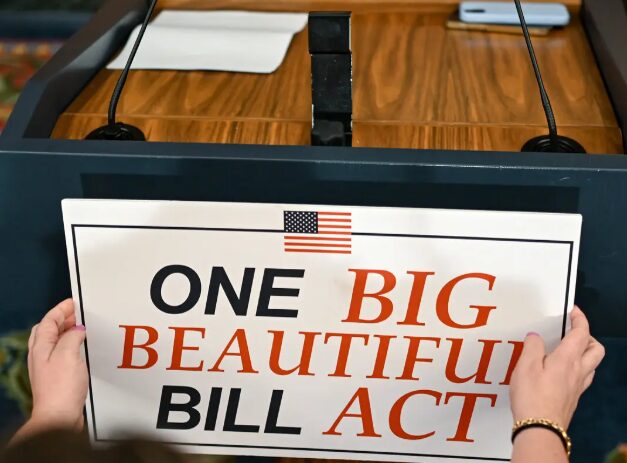
We have received many questions regarding the One Big Beautiful Bill Act (OBBBA), so we wanted to share some thoughts with you.
Proposed Repeal of Section 174 Capitalization
OBBBA
proposes rolling back the required capitalization of domestic R&D expenses under Section 174. If passed in its current form, the bill would allow companies to fully deduct domestic R&D costs as incurred—for tax years beginning after December 31, 2024.
Key points:
- Foreign R&D expenses would still require 15-year amortization.
- If enacted, the bill may trigger a return to the reduced R&D credit under Section 280C—cutting the benefit by 21% compared to what many claimed in 2024.
Timing and Tax Planning for Q2 2025
The bill hasn’t passed yet, though former President Trump publicly supported a July 4 signing. That deadline has come and gone, so calendar-year taxpayers should take a conservative approach to Q2 2025 estimated payments.
Some clients are considering smaller Q2 payments, assuming 174 capitalization will be repealed and the 280C reduction will apply. For those seeking short-term cash flow benefits, be ready to adjust Q3 payments upward if the bill stalls or changes.
If OBBBA does pass—this month or later—it’s unlikely that the 174 or 280C sections will be cut or significantly altered. There’s been little public debate about these provisions in recent months, but bipartisan support makes passage likely.
Long-Term Impacts and Strategic Considerations
We have been asked about planning strategies for the long term. The 280C benefit that everybody received over the past few years was a drafting error. So, it was nice while it lasted.
The only planning area left available is to shift foreign work back to domestic workers. That is more easily said than done, and the amortization cost associated with foreign R&D isn’t likely going to drive our clients to want to shift work back to the U.S. for the next five years.
As a reminder, OBBBA only applies to expenditures incurred in tax years beginning after December 31, 2024, and before January 1, 2030. It’s just too expensive to make the change permanent.
Estimated Payments: A Tactical Window for Large Companies
A lot of 12/31 companies are about to make Q2 estimated payments.
If I were a tax person, I would tell my CFO that we could modify our Q2 payment based on the possibility that the law will change, as long as they are OK with bringing the Q3 payment back up if the bill is tanked for some reason.
If you are a small company, it probably doesn’t matter. But a Fortune 500 company can earn a lot of interest by reducing those payments.
Stay Tuned as the Situation Evolves
We’ll keep you updated as this evolves. Never a dull moment coming out of Washington! If you have any questions or are interested in a consultation, please reach out. We’d love to talk.

September 24, 2026
2:00 pm EST





 The 6765 Business Component Solution
 Full Outsource
 Big 4 to In-House
 Reverse Audit
 State Tax Incentives
 Tax Controversy
 R&D Staffing Services
 174 Assistance